Global Esports: The Fastest Growing Entertainment Industry in the World
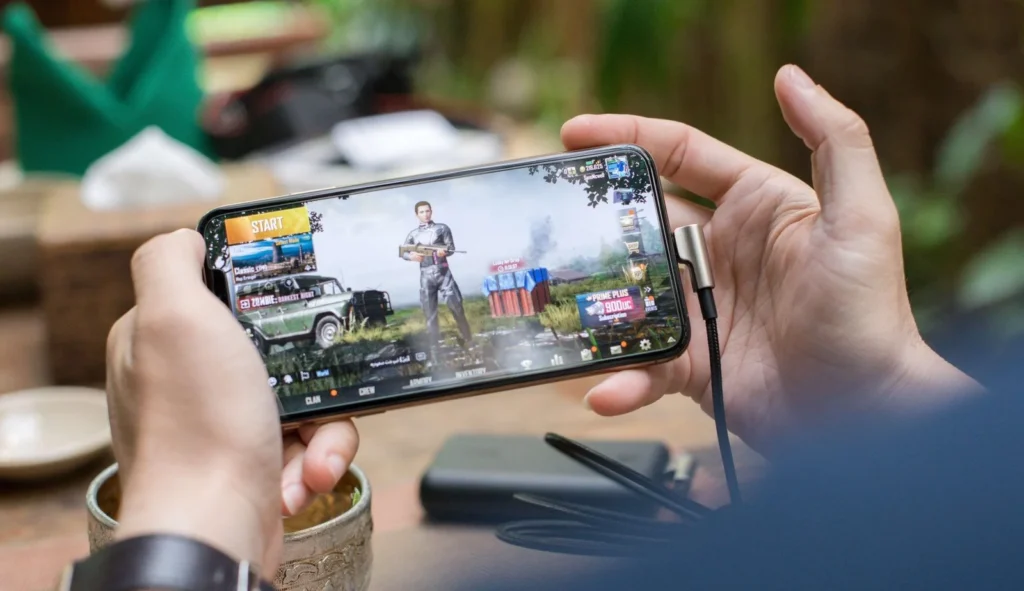
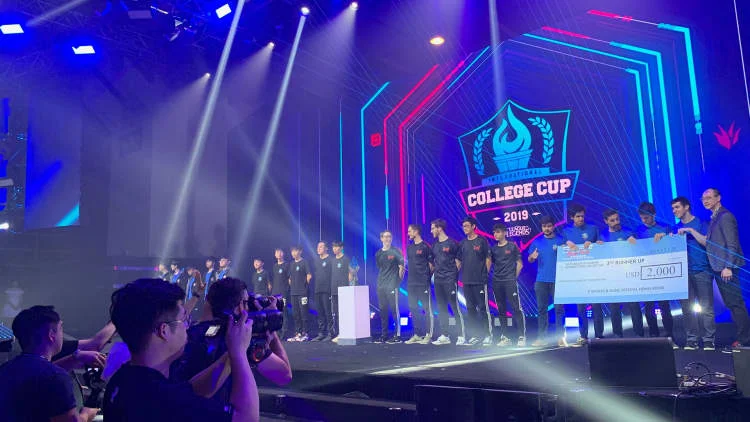
Esports, or competitive video gaming, has evolved from small community tournaments to a multi-billion-dollar global industry. Today, esports rivals traditional sports in terms of viewership, sponsorships, and cultural influence. What was once a niche pastime has now become a global movement, connecting millions of players and fans across continents. The Evolution of Esports Esports has been around since the early 2000s with titles like Counter-Strike 1.6, StarCraft, and Dota. However, the 2010s marked the true explosion of competitive gaming, with the rise of streaming platforms such as Twitch and YouTube Gaming and globally recognized tournaments like The International (Dota 2) and the League of Legends World Championship. Today, esports tournaments fill stadiums, attract celebrity investors, and generate prize pools in the tens of millions of dollars. The Numbers Speak for Themselves Global Market Size: Valued at over $1.8 billion in 2023, projected to grow to $6 billion by 2030. Viewership: More than 500 million esports viewers worldwide, with Asia leading the charts. Prize Pools: The International 2021 (Dota 2) offered over $40 million, the highest in esports history. Popular Esports Titles Around the World Different regions dominate different games, but these titles define the global scene: League of Legends (LoL) – A cultural phenomenon in Asia, Europe, and North America. Dota 2 – Known for its massive prize pools and loyal fanbase. CS:GO / CS2 – A global shooter staple with deep competitive history. Valorant – Riot Games’ fast-rising tactical shooter. PUBG & Mobile Esports – Hugely popular in Asia, especially India, China, and Southeast Asia. Call of Duty & Overwatch – Popular in Western markets with franchise-style leagues. Why Esports Is Growing So Fast Accessibility – Anyone with a PC, console, or smartphone can compete or watch. Streaming Platforms – Twitch, YouTube, and Facebook Gaming make esports highly watchable. Youth Appeal – For Gen Z, esports is more relatable than traditional sports. Corporate Sponsorships – Brands like Red Bull, Intel, Nike, and even Louis Vuitton are investing. Global Tournaments – International competitions create hype similar to the FIFA World Cup. Career Opportunities in the Global Esports Industry The esports ecosystem is vast and includes: Professional Players Streamers & Influencers Coaches & Analysts Shoutcasters & Commentators Event Organizers Esports Journalists Developers, Designers & Marketing Specialists Challenges Facing Global Esports Player Health & Burnout – Intense training schedules lead to physical and mental strain. Regulations – Different countries have varying rules about gaming and esports. Sustainability – Franchise leagues face high operational costs. Cheating & Integrity – Fair play enforcement is a constant battle. The Future of Global Esports With esports included in the Asian Games 2022 (Hangzhou) and discussions about inclusion in the Olympics, the industry’s legitimacy is reaching new heights. As VR and AI-driven gaming evolve, esports will expand beyond traditional titles into new interactive formats. Analysts predict esports will eventually rival mainstream sports leagues like the NBA, Premier League, and NFL in terms of viewership and revenue. Final Word: Esports is not just a trend—it’s the future of entertainment. With its global fanbase, massive investments, and ever-growing opportunities, esports is redefining how we play, compete, and connect.