Author name: admin

The Rise of Indian Esports:

Global Esports: The Fastest Growing Entertainment Industry in the World

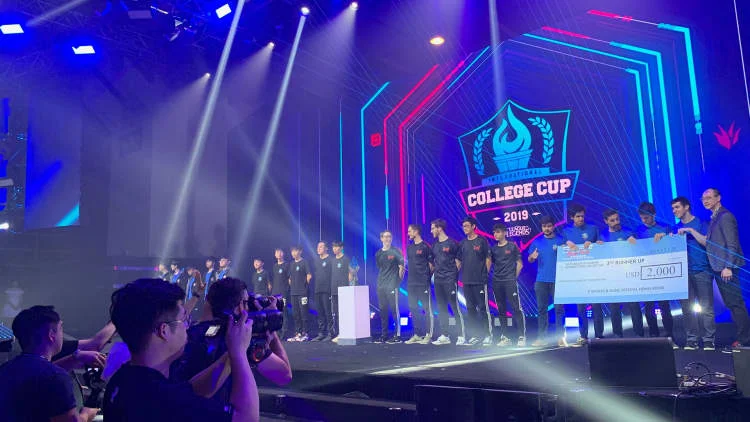
Esports, or competitive video gaming, has evolved from small community tournaments to a multi-billion-dollar global industry. Today, esports rivals traditional sports in terms of viewership, sponsorships, and cultural influence. What was once a niche pastime has now become a global movement, connecting millions of players and fans across continents. The Evolution of Esports Esports has been around since the early 2000s with titles like Counter-Strike 1.6, StarCraft, and Dota. However, the 2010s marked the true explosion of competitive gaming, with the rise of streaming platforms such as Twitch and YouTube Gaming and globally recognized tournaments like The International (Dota 2) and the League of Legends World Championship. Today, esports tournaments fill stadiums, attract celebrity investors, and generate prize pools in the tens of millions of dollars. The Numbers Speak for Themselves Global Market Size: Valued at over $1.8 billion in 2023, projected to grow to $6 billion by 2030. Viewership: More than 500 million esports viewers worldwide, with Asia leading the charts. Prize Pools: The International 2021 (Dota 2) offered over $40 million, the highest in esports history. Popular Esports Titles Around the World Different regions dominate different games, but these titles define the global scene: League of Legends (LoL) – A cultural phenomenon in Asia, Europe, and North America. Dota 2 – Known for its massive prize pools and loyal fanbase. CS:GO / CS2 – A global shooter staple with deep competitive history. Valorant – Riot Games’ fast-rising tactical shooter. PUBG & Mobile Esports – Hugely popular in Asia, especially India, China, and Southeast Asia. Call of Duty & Overwatch – Popular in Western markets with franchise-style leagues. Why Esports Is Growing So Fast Accessibility – Anyone with a PC, console, or smartphone can compete or watch. Streaming Platforms – Twitch, YouTube, and Facebook Gaming make esports highly watchable. Youth Appeal – For Gen Z, esports is more relatable than traditional sports. Corporate Sponsorships – Brands like Red Bull, Intel, Nike, and even Louis Vuitton are investing. Global Tournaments – International competitions create hype similar to the FIFA World Cup. Career Opportunities in the Global Esports Industry The esports ecosystem is vast and includes: Professional Players Streamers & Influencers Coaches & Analysts Shoutcasters & Commentators Event Organizers Esports Journalists Developers, Designers & Marketing Specialists Challenges Facing Global Esports Player Health & Burnout – Intense training schedules lead to physical and mental strain. Regulations – Different countries have varying rules about gaming and esports. Sustainability – Franchise leagues face high operational costs. Cheating & Integrity – Fair play enforcement is a constant battle. The Future of Global Esports With esports included in the Asian Games 2022 (Hangzhou) and discussions about inclusion in the Olympics, the industry’s legitimacy is reaching new heights. As VR and AI-driven gaming evolve, esports will expand beyond traditional titles into new interactive formats. Analysts predict esports will eventually rival mainstream sports leagues like the NBA, Premier League, and NFL in terms of viewership and revenue.  Final Word: Esports is not just a trend—it’s the future of entertainment. With its global fanbase, massive investments, and ever-growing opportunities, esports is redefining how we play, compete, and connect.

Mobile Esports Gaming: The Powerhouse Driving Competitive Gaming Forward

India’s New Gaming Law Shake-Up: What’s Happening Now

India’s Lok Sabha has just passed the landmark Promotion and Regulation of Online Gaming Bill, 2025, marking a significant shift in how the country treats online gaming. Here’s everything you need to know—from bans on money games to an esports-friendly future. What’s in the Bill? Ban on Real-Money Online GamesThe bill outright prohibits all forms of money-based gaming, including fantasy platforms and poker, regardless of whether they’re skill or chance-based. Violators face up to 3 years in prison and ₹1 crore in fines. Repeat offenses raise those penalties even further—up to 5 years imprisonment and ₹2 crore fine. News on AirThe Economic TimesThe Indian ExpressNavbharat TimesmintThe Times of India Crackdown on Endorsements & OperationsThe bill also targets promotions, including celebrity or influencer endorsements—penalties include fines and jail time up to two years. India TodaymintThe Times of IndiaThe Economic Times Creation of a Regulatory AuthorityA new central body—sometimes referred to as the National e-Sports Authority or Online Gaming Commission—will oversee classification, licensing, and regulation of gaming platforms. It will also enforce responsible gaming measures and protect vulnerable groups like youth. The Times of India+1PRS Legislative ResearchThe Indian ExpressThe Economic TimesWikipedia Support for Esports, Social & Educational GamesWhile clamping down on cash-based games, the government plans to promote esports, educational, and social gaming through structured frameworks and potentially funding or schemes. The Times of India+1www.ndtv.com+1The Economic TimesWikipedia Addressing Broader ConcernsThe legislation cites rising issues like addiction, fraud, mental health impacts, money laundering, and national security threats as key reasons for regulation. The Economic TimesThe Times of IndiaThe Indian Expressmint+1Wikipediawww.ndtv.com Broader Impacts Across Industries Shockwaves in the MarketsGaming stocks fell sharply—Nazara Technologies and Delta Corp saw share prices drop by as much as 7%, following the Cabinet’s approval. The Economic Times Industry Alarm Over Job LossesMarket estimates suggest 20,000 jobs could be at risk, and over 300 companies may shut shop if real-money games are banned. The fantasy and betting sub-sector is valued at $3.8–$9.2 billion and drives significant ad revenue for sports leagues and broadcasters. mint+1www.ndtv.comThe Economic Times Huge Financial Drain on HouseholdsGovernment sources estimate that around ₹20,000 crore is lost annually due to addictive, money-driven gaming behavior. The bill is seen as a corrective measure to protect both individuals and families. www.ndtv.com Why the Bill Matters: A Contextual Overview Aspect What’s Changing User Protection Limits addiction, fraud, youth exposure Regulatory Clarity Unified, national oversight replacing patchwork laws Industry Structure Real-money gaming collapses; esports gains legitimacy Financial Security Aims to stop misuse like money laundering Economic Impact Startup casualties feared, but long-term safety favored Final Thoughts This bill stands at a crossroads for India’s gaming sector. Real-money gaming platforms face an existential threat, as the legislation eliminates their operations overnight. Yet, esports and educational gaming stand to gain legitimacy and institutional support, potentially catalyzing job growth and structured development in digital entertainment. As the bill moves to the Rajya Sabha, all eyes are on how the gaming ecosystem—investors, startups, creators, and consumers—navigates this unprecedented transformation. Curious about how this compares with regulations in other countries? Or want a deeper dive on potential legal challenges? Let me know—happy to explore further.

The Rise of Indian Esports:

Mobile Esports Gaming: The Powerhouse Driving Competitive Gaming Forward

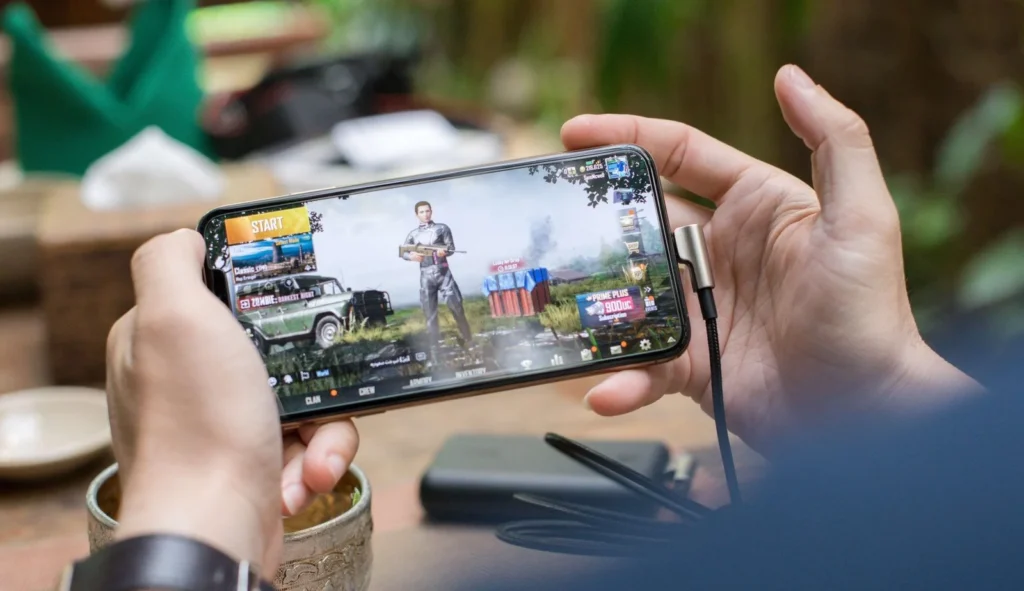
Mobile Esports Gaming: The Powerhouse Driving Competitive Gaming Forward When we think of esports, images of massive PC setups and console tournaments often come to mind. But in reality, mobile esports has become the true powerhouse of the global competitive gaming scene. With smartphones in nearly every hand and affordable internet access growing worldwide, mobile games have taken esports from niche stages to mainstream audiences. The Rise of Mobile Esports The turning point for mobile esports came in the late 2010s with titles like PUBG Mobile, Free Fire, and Clash Royale. These games weren’t just casual entertainment—they introduced ranked modes, tournaments, and professional leagues that rivaled traditional PC and console competitions. In countries like India, Brazil, Indonesia, and China, mobile gaming exploded due to affordability. Unlike expensive PCs or consoles, all you need is a smartphone to participate—and that’s what democratized esports globally. Popular Mobile Esports Titles Here are some of the biggest mobile esports titles shaping the industry today: PUBG Mobile / BGMI (Battlegrounds Mobile India) – The cornerstone of mobile esports in Asia, drawing millions of live viewers. Free Fire MAX – Known for its massive following in Latin America and Southeast Asia. Mobile Legends: Bang Bang (MLBB) – Dominates Southeast Asia with professional leagues like MPL. Call of Duty: Mobile – A global hit with franchise-style competitive circuits. Clash Royale – One of the earliest mobile games to host structured esports tournaments. Why Mobile Esports Is Exploding Accessibility & AffordabilityNo need for high-end PCs—just a mid-range phone and internet connection. Global ReachBillions of smartphone users worldwide create a massive potential player base. Streaming & Social Media IntegrationPlatforms like YouTube Gaming, Loco, and TikTok boost visibility and fan engagement. Brand SponsorshipsCompanies from tech giants to FMCG brands are investing in mobile esports for youth outreach. Youth AppealGen Z and Gen Alpha find mobile gaming more relatable than traditional sports. The Esports Ecosystem Around Mobile Mobile esports isn’t just about the players—it’s a whole industry: Professional Teams & Leagues – Organizations like GodLike Esports, EVOS, and Nova Esports dominate the scene. Streamers & Influencers – Many young gamers build careers as full-time creators. Tournaments & Prize Pools – Competitions like PUBG Mobile Global Championship (PMGC) offer multi-million-dollar prizes. Event Production & Sponsorships – Brands partner with tournaments to reach a highly engaged, young audience. Challenges Facing Mobile Esports Device & Connectivity Limitations – Not all regions have stable internet or top-tier phones. Game Bans & Regulations – Titles like PUBG and Free Fire have faced bans in countries like India. Player Burnout – Long training hours and constant tournaments can harm mental health. Sustainability – Ensuring long-term profitability for organizers and teams remains tricky. The Future of Mobile Esports With 5G technology rolling out, cloud gaming on mobile will remove hardware barriers even further. Governments, like India recently recognizing esports as a sport, are giving legitimacy to the field. Mobile esports could soon rival—or even surpass—PC esports in terms of player base and audience size. Analysts predict that by 2030, mobile will account for over half of the global esports market revenue, making it the driving force behind the industry’s growth.  Final Thought: Mobile esports gaming isn’t just a stepping stone—it’s the future of competitive gaming. From small towns in India to mega arenas in Singapore, mobile esports is proving that anyone with a phone can be a world-class competitor.

Mobile Esports Gaming: The Powerhouse Driving Competitive Gaming Forward

Computer Esports: The Backbone of Competitive Gaming

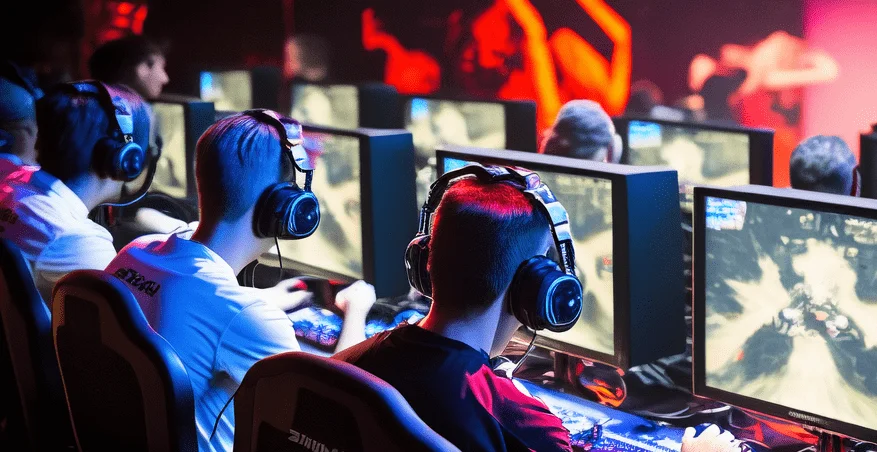
Computer Esports: The Backbone of Competitive Gaming While mobile gaming has rapidly expanded the esports audience, computer esports (PC gaming) remains the foundation of the competitive gaming industry. From iconic LAN tournaments in the early 2000s to today’s multi-million-dollar global championships, PC esports has set the stage for what we now recognize as professional gaming. A Brief History of PC Esports Competitive PC gaming started with classics like Counter-Strike 1.6, Warcraft III, and StarCraft. Local cyber cafés and LAN events brought communities together, laying the groundwork for professional leagues. The real boom came in the 2010s with: Dota 2’s The International (TI), offering record-breaking prize pools. League of Legends (LoL), with its World Championship filling stadiums. CS:GO Majors, which became staples of esports culture. These tournaments didn’t just attract hardcore gamers—they turned esports into mainstream entertainment. Popular PC Esports Titles Some of the most influential and competitive PC esports titles include: Counter-Strike: Global Offensive (CS:GO) / CS2 – A tactical shooter with decades of history and a fiercely loyal community. Dota 2 – Famous for The International, the world’s biggest esports prize pool. League of Legends – The most-watched esports game globally, with massive fan bases in Asia, Europe, and North America. Valorant – Riot Games’ new tactical shooter, quickly becoming a top-tier esport. Overwatch – Blizzard’s team-based shooter with a structured franchise league. StarCraft II – Once the king of esports in South Korea, still respected globally. Why PC Esports Remains Dominant High Skill CeilingPC games require precision, strategy, and teamwork at the highest levels. Established EcosystemLeagues, organizations, and long-standing tournaments give PC esports stability. Spectator-FriendlyPC games are optimized for broadcast, with dynamic visuals and detailed stats. Global RecognitionPC titles are the ones that brought esports to mainstream TV and global sponsors. The PC Esports Industry Teams & Organizations: Global giants like Team Liquid, Fnatic, and Evil Geniuses built their legacies in PC esports. Prize Pools: Dota 2’s The International has exceeded $40 million, setting records. Broadcasting: Twitch, YouTube, and even ESPN have streamed PC tournaments. Sponsorships: Brands like Intel, Red Bull, Logitech, and BMW heavily back PC esports. Challenges Facing PC Esports Accessibility – High-end PCs are expensive, limiting player entry in many countries. Fragmentation – Multiple titles split audiences across different ecosystems. Sustainability – Some leagues, like Overwatch League, have struggled financially. Competition from Mobile Esports – In regions like Asia, mobile titles attract larger player bases. The Future of PC Esports Despite competition from mobile, PC esports remains the gold standard of professional gaming. With new titles like Valorant gaining momentum and VR/AR innovations on the horizon, PC esports continues to evolve. Analysts expect PC esports to maintain its dominance in prize pools, production quality, and global influence, while mobile esports will lead in participation numbers. Together, they will shape the future of competitive gaming.  Final Word: Computer esports isn’t just gaming—it’s a culture, a profession, and a global industry. From strategy-heavy MOBAs to fast-paced shooters, PC esports continues to push the limits of competition and entertainment worldwide.

Scroll to Top